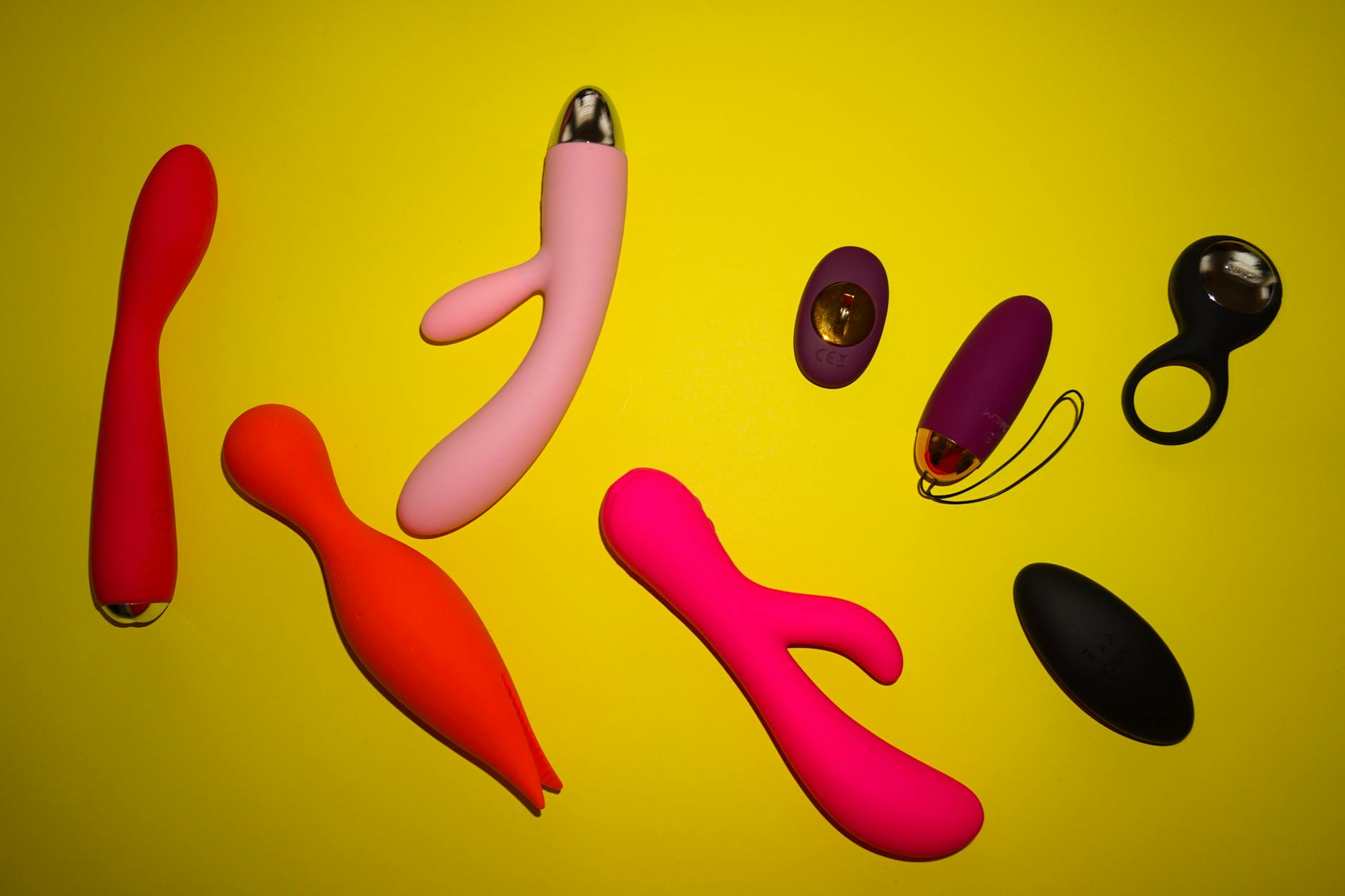
Here's what he's actually afraid of
Honestly, when a partner says a clitoral vibrator makes them feel emasculated, they're not really worried about the toy. They're worried about what it means. Am I not enough? Does she not want me anymore? Will she prefer it to me? These aren't stupid questions. They're fear dressed up as logic, and they deserve a real answer, not dismissal.
The irony is that your desire for an orgasm or a different sensation has nothing to do with his adequacy. But until you both separate those two things, every conversation about pleasure will feel like you're questioning his performance. So let's start there.
The reframe that actually works
Stop saying "I need a toy to orgasm" if that's not true. Stop saying "It's just different stimulation" if he's heard that three times already and it landed like "You're not doing it right." Instead, get specific about what you actually want.
"I like how you touch me. I also want to explore what clitoral suction feels like because I've read it works differently from vibration. This is about curiosity, not comparison." That's a fact, not a judgment. It's not about him. It's about you experimenting with sensation.
The second reframe: remind him that his pleasure, his orgasms, his sexual preferences have never bothered you. You've never made him feel wrong for wanting what he wants. Extend him the same trust.
Why the "emasculation" fear is actually common (and solvable)
Men grow up learning that sex is a performance, and their job is to deliver the orgasm. If you orgasm, he wins. If you don't, he failed. It's exhausting and also completely false, but that narrative runs deep. So when a partner introduces a toy, he reads it as "I failed at the job I thought was mine."
The solution isn't to stop wanting pleasure. It's to stop letting him believe that your pleasure is his job solo. Pleasure is collaborative, but it's also yours to own. A lemon clitoral vibrator isn't a replacement. It's an expansion.
Here's what helps: involve him in the decision. Not "I bought this," but "I'm thinking about exploring clitoral suction toys. Will you help me research which one?" Suddenly it's not something happening to him. It's something you're choosing together.
The conversation structure that doesn't trigger defensiveness
Timing matters first. Not during sex, not right after conflict, not when he's stressed about work. Pick a calm moment, maybe over coffee, where sex isn't the immediate next thing.
Start with appreciation. "I love how you touch me and I also want to try something new." Both things true. Not "but" (which erases the first part), just "and." Conjunction, not contrast.
Then be direct about what you want and why. "I read that lemon vibrators use suction instead of vibration, and I'm curious what that feels like. It's not about replacing you. It's about exploring sensation." Specific. Non-comparative. About your curiosity, not his inadequacy.
Then ask for his buy-in. "I'd love your thoughts. Are you open to trying this together?" Not "I'm doing this anyway," but an actual invitation.
If he says no, that's useful information. Don't bulldoze it, but also don't abandon your own pleasure. Sometimes the conversation needs to happen multiple times, and sometimes you need a couples therapist to mediate it. Both are normal.
What to actually do if he wants to participate
Let him be part of using it. Some partners feel less threatened if they're involved, even just watching or holding it for you. Some want to operate it. Some want to use it on you together. You don't have to agree to anything you're not comfortable with, but offering inclusion often defuses the threat he's feeling.
Start low and slow. If you pick a lemon clitoral vibrator like The Lemon, start on the lowest setting. Make it obvious that you're exploring, not racing. Let him see that you're enjoying it, that you're present, that it's not replacing the connection between you. Because honestly, a toy used alone in the dark is a very different experience from using one while you're looking at your partner, touching them, staying connected.
Talk about what you're feeling as it happens. "That feels intense," "Oh, that's interesting," "I like this pattern." Narration turns it into something you're experiencing together, not something secret.
When to stop trying to convince him
If he's genuinely open, great. Work through it together. If he's saying yes but his energy is angry or withdrawn, you're not actually having consent. You're having compliance, and that's a different conversation. That might mean stepping back for now, but it also might mean asking him directly: "Are you okay with this, or are you just saying yes?"
Sometimes a partner needs time. Sometimes he needs to talk to a therapist about where his shame around female pleasure is coming from. Sometimes he needs to hear from other men that toys aren't a threat. And sometimes he needs to realize that your pleasure isn't negotiable, even if his comfort with the method is.
The long game
Your body, your pleasure, your sexual exploration isn't about him. It's about you. But here's what research on couples actually shows: when both partners have agency over their own pleasure, the relationship gets better, not worse. When you're not waiting for him to make you come, you're not resentful. When you're not performing pleasure you don't feel, you're more present. When you own what you want, you communicate better.
A lemon vibrator isn't a threat to your relationship. Shame, secrecy, and resentment are. So if introducing one means having a hard conversation about desire and autonomy, that's actually the point. The toy is just the excuse to talk about what you really want.
If he can't get there, that tells you something important about whether you're actually partners in pleasure. And that's worth knowing.
FAQ
Why do some partners feel threatened by toys like lemon vibrators?
Most men learn early that "good sex" means they deliver the orgasm. So when you introduce a toy, he reads it as failure. It's not actually about the toy. It's about a performance narrative he's been taught to believe is his job. The truth is simpler: your pleasure is your own, and toys are tools for exploring what you enjoy. Neither is a referendum on his adequacy.
Is it manipulative to use a toy without telling my partner?
Technically, you can use toys solo without announcing it. Your body is yours. But in a partnership, secrets erode trust, and shame about pleasure gets heavier every time you hide it. If you're hiding it because you're afraid of his reaction, that's information. Either you two need to talk about why your pleasure feels unsafe to express, or you need to think about whether this relationship respects your autonomy.
How do I introduce toys to a partner who's already said no?
Respect the boundary while also not abandoning your own pleasure. "I hear you're not comfortable with this right now. I'm still interested in exploring it, maybe alone for now. I'd like to come back to this conversation in six months." Then actually wait. Give him space to process without making him wrong. Sometimes resistance melts when someone realizes it's not a threat.
Can using lemon clitoral vibrators improve pleasure with my partner, not just solo?
Absolutely. When you know what sensations work for your body, you can guide your partner toward them. When you're not waiting for them to figure you out, sex is less performance and more connection. Many people find that exploring sensation solo actually makes partnered sex better because you're more present, not in your head about whether you're going to come.
What if my partner wants to use the toy but seems resentful?
That's compliance masquerading as enthusiasm, and it doesn't feel good for anyone. Name it gently: "I notice you seem uncomfortable with this. Are you actually okay, or are you just going along with what I want?" Give him real permission to say no. A partner using a toy while secretly resenting it will poison the experience for both of you.
How do I know if his discomfort is temporary or a real incompatibility?
Watch what happens over time. Does he ask questions? Does he slowly come around? Does he eventually touch you while you use it? That's processing. Does he use the phrase "my job" or "my duty" around sex? Does he go silent when toys come up? Does he try to make you feel ashamed? That's a values clash, and it might be deeper than toys. Consider talking to a couples therapist if you're genuinely stuck.