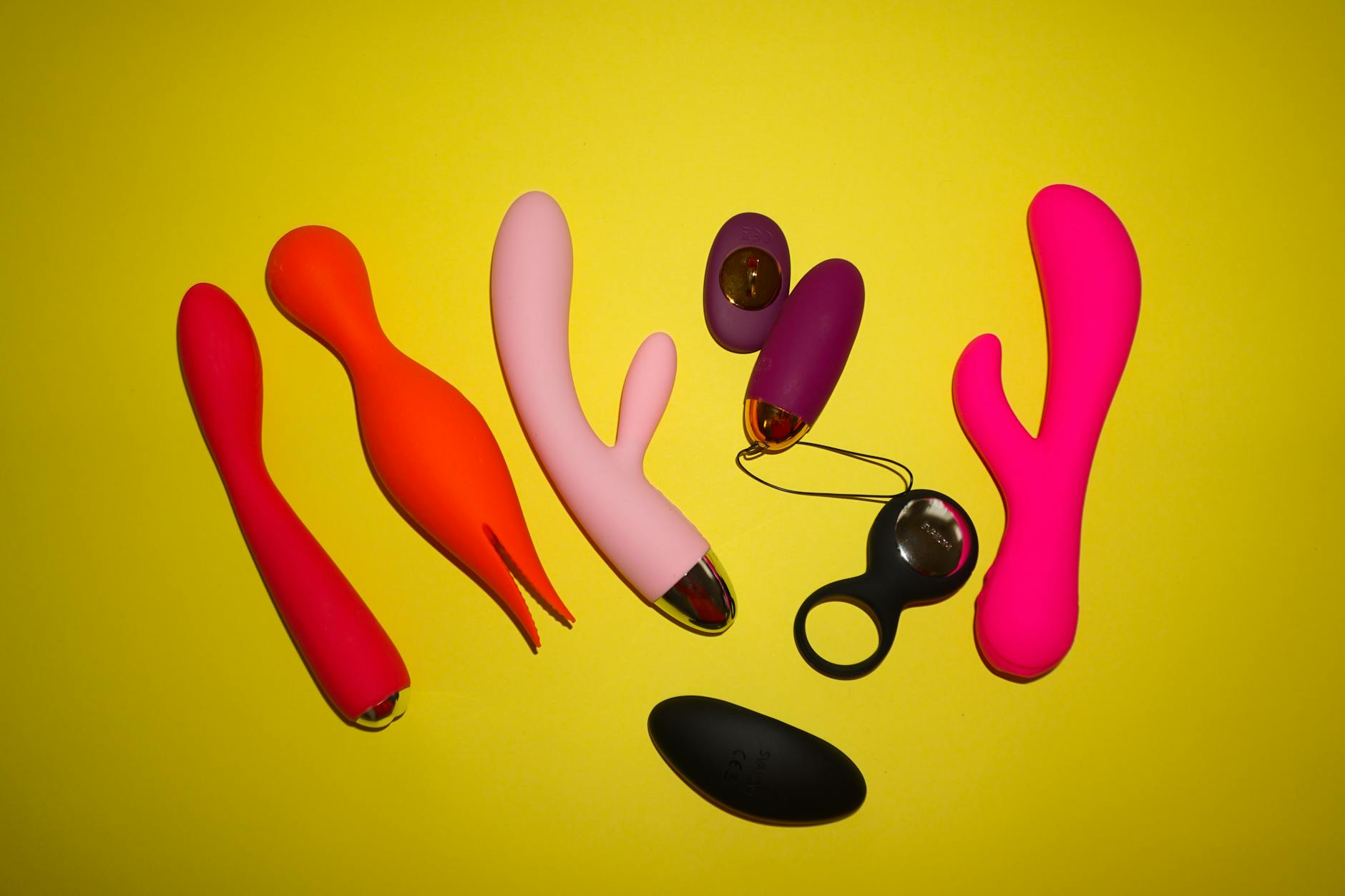
The strange thing nobody tells you about pleasure returning
Depression doesn't just kill your mood. It silences your body's ability to feel much of anything at all. Arousal goes flat. Touch becomes static. Orgasm seems like something that happened to someone else in a previous life. Then, slowly or suddenly, something shifts. The medication works. The therapy takes. You start to feel like yourself again. And one day you realize you want to feel pleasure again.
But your body isn't quite the same as it was before. Sensation rebuilds in layers, and lemon vibrators can help you navigate that return with patience and skill.
What depression actually does to your sexual response
Depression changes your neurochemistry, which means it changes how pleasure registers in your brain and body. Dopamine and serotonin drop. Your pelvic floor can tense or go slack. Touch that used to feel electric becomes muted. It's not laziness or loss of interest. It's a physiological reality.
When you're healing, your nervous system is relearning how to respond to pleasure. This takes time. Lots of people rush the process, expecting their body to work like it did before treatment started, and then feel defeated when it doesn't. That disappointment is preventable.
The good news: your capacity for pleasure is still there. It's dormant, not gone.
The three phases of pleasure returning
Phase one: noticing sensation without expectation. This is usually the first month or two. Touch feels different, maybe duller or strange. This is normal. Your nervous system is waking up. During this phase, the goal isn't orgasm. It's just feeling your body again. A lemon clitoral vibrator can help because the gentle suction and pulse patterns provide consistent stimulation without the pressure of performance.
Phase two: arousal building more slowly than before. By month three or four, most people feel genuine interest returning. But arousal takes longer to arrive. Your body might need 20 to 30 minutes of stimulation before anything starts to happen. That's not broken. That's healing. Lemon vibrators work beautifully here because you can set a pattern and let it work while you focus on breathing, fantasy, or just being present without pushing.
Phase three: pleasure returning with intensity. By month five or six, many people find their capacity for pleasure returns even stronger than before. The key is that they've spent months building back slowly instead of shocking their system.
Why lemon vibrators specifically help in this window
Lemon sexual toys use suction-based stimulation rather than direct vibration alone. This matters when you're rebuilding sensation because suction creates a broader, gentler engagement with the clitoris. You get stimulation without the potential for overstimulation. The patterns are programmable, which means you can start on setting one and work your way up as your sensitivity increases.
The other thing lemon clitoral vibrators do: they create a hands-free experience. When you're depressed, your brain is often working overtime. Hands-free stimulation lets you focus inward without managing a device, which reduces cognitive load and makes it easier to stay present.
How to actually rebuild sensation step by step
Start with zero pressure about orgasm. This is the hardest part. Your brain will want to make pleasure "work" the way it used to. Resist that. For the first 2 to 4 weeks, the goal is exploration, not climax. Use your lemon vibrator on the lowest setting, just feeling how different intensities register.
Build a consistent rhythm. Choose a time of day and duration. Maybe 15 minutes every other evening. Consistency tells your nervous system it's safe to settle into arousal. Variability keeps you in alert mode.
Warm up longer than you think you need to. Where you used to need 5 minutes to get going, you might need 15 or 20 now. That's not a failure. That's your body being honest about where it is. A lemon sucker lets you maintain consistent stimulation without fatigue while your arousal builds.
Pay attention to what works. Does setting two feel better than setting four? Does morning feel better than evening? Does thinking about something specific help? Write it down. You're learning your body again. This data is gold.
The medication piece: what changes and what doesn't
If you're on antidepressants, some classes of medications affect sexual response more than others. SSRIs, in particular, can dampen sensation. This is worth a conversation with your prescriber, but it's also not a reason to spiral. Many people find they can adjust dosing, switch medications, or develop strategies that work around medication side effects.
Lemon vibrators don't eliminate medication-related numbness, but they can amplify what sensation is available. The consistent, programmable stimulation can sometimes cut through the fog in a way that less structured touch can't.
When to check in with a professional
If it's been six months and arousal still feels completely absent, or if pleasure returns but sex becomes painful, that's a conversation for a therapist or doctor. Pelvic floor physical therapy can help if your muscles have locked down from depression. A sex therapist can help if there's trauma layered under the depression.
But most of the time? The timeline is slower than you'd like, but it's working.
How partners fit into this
If you're rebuilding pleasure with someone, tell them the timeline and what you need. "I need to explore this alone first" is a valid boundary. So is "I want you here, but I don't want to be watched right now." <a href="/blog/how-to-use-lemon-vibrators-when-your-partner-wants-to-explore-together">Partners often have their own anxiety about returning sexuality</a>, so clarity helps everyone.
You might also say: "Orgasm is not the goal right now. Presence is." That removes the performance pressure that can kill arousal before it starts.
The emotional part of coming back online
Sometimes pleasure returns and it feels weird, guilty, or even intrusive. You might feel angry at your body for shutting down, or at pleasure itself for disappearing. Those feelings are real and worth sitting with. You don't have to like what happened to get past it.
Other times, pleasure returning feels like the first honest evidence that you're actually healing. That you're not going to stay in that numb space forever. That can hit hard.
Both reactions are normal. Neither is a sign you're doing it wrong.
The rhythm of rebuilding
Like most healing, pleasure returns in fits and starts. You'll have a week where things feel almost normal, then a week where sensation flattens again. Medication adjustments, stress, sleep, hormones. They all affect how your body responds. This is why consistency matters more than intensity. A little bit of attention regularly rewires your nervous system faster than sporadic intense sessions.
Using a lemon clitoral vibrator gives you a consistent experience night to night. The patterns don't change. Your body learns to trust it. That reliability actually accelerates reconnection.
Key takeaways
Depression numbs your capacity for pleasure. When you're healing, sensation returns gradually. Lemon vibrators support that process because they provide consistent, programmable stimulation that doesn't require you to manage anything except breathing and presence. Most importantly, you don't have to rush. Slow rebuilding actually works faster than forcing it. Your body knows how to come back online. It just needs permission and the right conditions.
People also ask
How long does it usually take for sexual desire to return after depression treatment?
It varies widely. Some people notice interest returning within 2 to 3 weeks of medication starting to work. Others take 2 to 3 months. Antidepressant type matters. SSRI-based medications sometimes take longer to normalize sexual response than other classes. If you're 6 months in and nothing has shifted, talk to your prescriber about adjusting dose or switching medications. The right treatment should improve mood without destroying arousal.
Can I use a lemon vibrator if I'm still on antidepressants?
Absolutely. Antidepressants don't contraindicate vibrators. In fact, many people find that a tool like a lemon clitoral vibrator helps them work through medication-related numbness by providing more consistent stimulation than touch alone. The programmable patterns are especially helpful because you can adjust intensity as your sensitivity shifts.
What if my partner wants to help rebuild my pleasure and I feel uncomfortable?
That's valid. You might need solo time first to relearn what turns you on without the pressure of someone's expectations. <a href="/blog/how-to-use-lemon-vibrators-when-you-feel-self-conscious-about-pleasure">Many people feel self-conscious about pleasure after depression</a>, and that's a reasonable boundary to set. Tell your partner: "I need a few weeks or months to reconnect with my body alone. Then we can explore together." Most partners appreciate the honesty.
Is it normal to feel guilty when pleasure returns?
Yes. Depression often comes with shame about not "doing" enough, and pleasure can trigger that same guilt. You might feel like you don't deserve to feel good. That's depression talking, not truth. Pleasure is part of health. Reconnecting with it is part of recovery. If guilt keeps coming up, a therapist can help untangle it.
Why does sensation feel different when I come back from depression?
Your nervous system has been in survival mode. That changes how signals travel between your body and brain. When you heal, your nervous system recalibrates, but it doesn't happen overnight. Touch might feel dulled, distant, or strangely intense. That's temporary. As you practice feeling pleasure, your nervous system learns the new baseline and sensitivity normalizes. This is why consistency matters more than force.
Should I stop using a lemon vibrator if I'm not having orgasms yet?
No. Orgasm is not the goal right now. Reconnection is. <a href="/blog/how-to-use-lemon-vibrators-when-pleasure-returns-after-time-away">Many people find that removing the pressure to climax actually helps pleasure arrive faster</a>. Use your vibrator to feel sensation, to breathe, to be present in your body. Orgasm will come when your nervous system feels safe. Forcing it before then usually backfires.